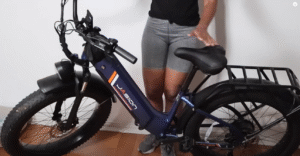
Utah is a paradise for electric bike riders – from the snow-capped Wasatch Range to the red-rock deserts of Moab. Yet even the most adventurous riders face the same question: how and where can I charge my e-bike reliably in this diverse environment? Whether you’re a commuter in Salt Lake City or a weekend explorer chasing sunlight through Zion National Park, knowing your charging options can make the difference between a perfect day and a long push home. This comprehensive guide explains Utah’s public charging landscape, safe battery practices, legal rules, and the growing potential of solar power in the Beehive State.
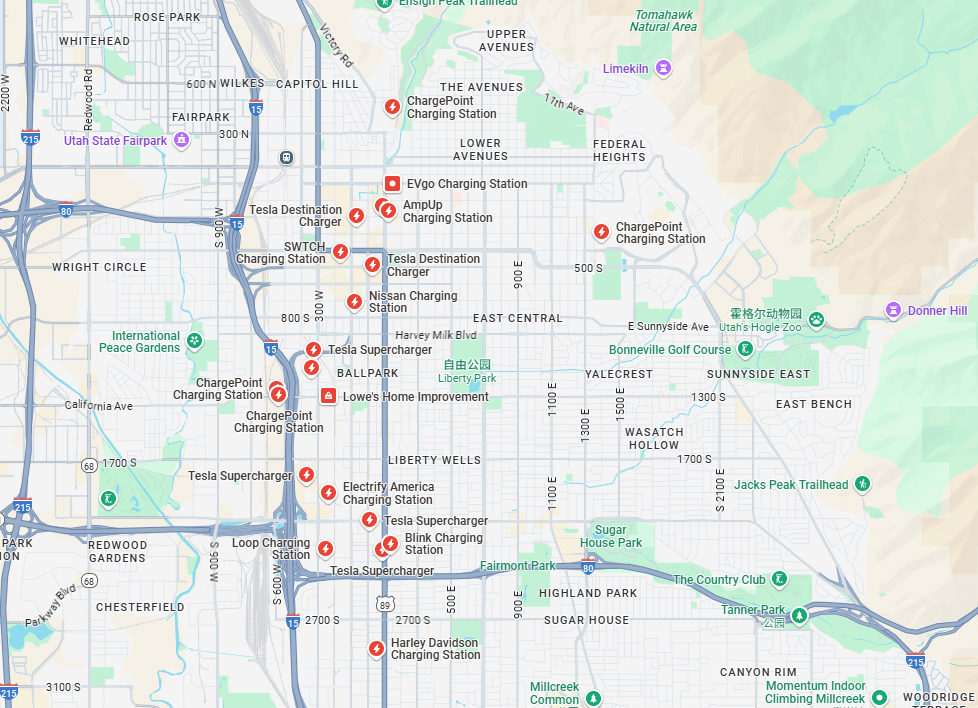
Public & Semi-Public Charging Options in Utah
Finding a reliable charging spot in Utah requires a mix of planning and local knowledge. While Utah doesn’t yet have a dedicated e-bike charging network, its infrastructure for electric vehicles and outdoor recreation provides many creative options. The key is knowing where low-power 110 V outlets exist – and what etiquette applies when you use them.
EV Charging Stations That Accept E-Bikes
Many EV stations across Utah include standard wall outlets alongside their Level 1 or 2 chargers. These outlets deliver the same voltage as your home charger, making them safe for e-bike batteries if used correctly. Always bring a surge-protected extension cord and stay nearby during charging. Apps like PlugShare and ChargeHub allow riders to filter for locations that support “standard outlet” or “110 V.” In Salt Lake City and Park City, Tesla Destination Chargers in hotel parking lots often have accessible plugs for small devices – you just need to ask the property manager before connecting.
City Parks, Campgrounds, and Coffee Shops
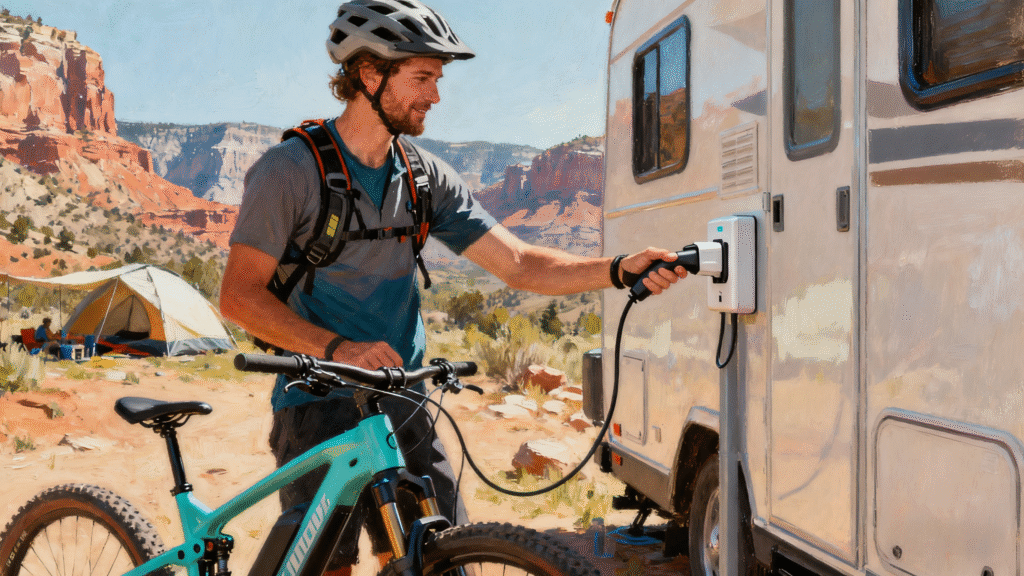
Utah’s outdoor culture makes it surprisingly easy to find informal charging locations. Many public parks and picnic shelters include accessible outlets for lighting or cleaning equipment that can double for e-bike charging. Campgrounds within Zion, Arches, and Dead Horse Point State Park allow small electronics charging at shared stations – though riders should always seek permission from staff before use. Meanwhile, coffee shops and co-working cafés in towns like Moab, St. George, and Ogden have become unofficial hubs for riders to rest and recharge both body and battery. RV parks, with their power posts ranging from 15 A to 30 A, also offer dependable power if you carry the proper adapter.
Recommended: Cybervelo 1000 Peak Electric Bike Review – Specs, Performance & Verdict
Safe Charging Practices for Utah’s Climate
Utah’s combination of high elevation, thin air, and wide temperature swings makes battery care a unique challenge. Charging safely here isn’t just about convenience – it directly affects your e-bike’s lifespan and performance.
Summer Heat Protection
In Utah’s southern deserts, daytime temperatures often exceed 35 °C (95 °F). Charging a lithium-ion battery under these conditions accelerates cell degradation and shortens its range. Always park your bike in the shade, ideally under a canopy or tent, and wait for the battery to cool before plugging in. Riders should avoid charging inside hot car trunks or sealed storage compartments, where heat buildup can trigger thermal protection circuits. A good rule is to charge early in the morning or after sunset when ambient temperatures are lower.
Winter Care in Northern Utah
Northern Utah winters bring the opposite problem – sub-zero mornings and frozen frames. Charging a cold battery can cause uneven current flow, leading to internal damage or “lithium plating.” Before charging, bring the battery indoors and let it warm to room temperature for at least 30 minutes. Avoid fast chargers when temperatures are below freezing; a slower, steady charge helps preserve the internal chemistry. When commuting in Salt Lake City or Logan during winter, consider storing a spare battery indoors during work hours and swapping it before your ride home.
Fire & Safety Checklist
No matter the season, safety starts with discipline. Always use the charger that came with your e-bike or one certified by the manufacturer. Cheap third-party chargers can overheat or misread voltage. Inspect the cable for cracks or frayed ends before every use. Never leave your e-bike charging unattended overnight, especially outdoors or near flammable materials. Place the charger and battery on a non-flammable surface such as concrete, tile, or a metal tray, and keep a small fire extinguisher rated for lithium-ion fires nearby if charging indoors.
Recommended: How to Troubleshoot an Electric Bike Controller – Step-by-Step Guide
Legal & Practical Rules for Charging and Riding
Utah is among the more e-bike-friendly states in the U.S., but regulations vary depending on where you ride and what class your e-bike belongs to. Understanding these distinctions helps you avoid fines and ensures respectful use of shared spaces.
Utah classifies e-bikes into three types:
- Class 1: Pedal-assist only, up to 20 mph.
- Class 2: Throttle-assisted, also capped at 20 mph.
- Class 3: Pedal-assist only, up to 28 mph.
Class 1 and 2 e-bikes are generally permitted on bike paths and most multi-use trails. Class 3 models, however, may be restricted to roads or designated cycling routes. When charging in public parks, always make sure your setup doesn’t obstruct walkways or overload circuits. Leaving a cord across a path or picnic area can lead to citations. Some cities, including Salt Lake City and Moab, have begun introducing e-bike-specific rules for park charging and trail use, so it’s smart to check local ordinances before your trip.
Portable & Solar Charging Solutions for Riders
With over 300 sunny days per year, Utah is a dream environment for solar-powered riders. The abundance of sunshine allows cyclists to go fully off-grid on long tours, camping trips, or photography expeditions without relying on public outlets.
Portable Solar Kits
Modern solar kits have become compact, efficient, and affordable. Portable stations such as the Jackery Explorer 300, Goal Zero Yeti 200X, or Bluetti EB3A pair easily with foldable panels between 60 and 120 watts. These setups can recharge a typical 500 Wh battery in roughly 4-6 hours of full sun. For multi-day adventures around Moab or Canyonlands, this independence is invaluable. Riders should position panels toward the southern sky and angle them at roughly 30 degrees for optimal absorption.
Smart Charging Setup
A solar generator works best when connected through an inverter that converts DC power into AC current compatible with your e-bike’s charger. Always confirm that the total output wattage exceeds your charger’s draw – most e-bikes consume 250-500 W. For safety, use cables rated above the maximum current, and keep them off the hot desert ground to prevent insulation damage. Dust and sand can reduce solar efficiency by 10-15%, so clean panels periodically with a soft brush or microfiber cloth. For riders exploring Utah’s vast open spaces, a small solar kit can mean the difference between continuing the journey and waiting for rescue.
Recommended: Nakto Electric Bike Reviews: Models, Value, Pros & Cons
Local Resources & Rider Communities
Utah’s e-bike movement is thriving, driven by outdoor recreation culture and city sustainability programs. Joining local communities helps you discover hidden charging spots and safety tips from real riders.
The Utah E-Bike Association in Salt Lake City hosts workshops on battery care, safe riding, and local trail etiquette. Moab E-Bike Adventures offers guided tours with built-in charging breaks, ideal for visitors who don’t want to worry about logistics. Retailers like Red Rock Cyclery in St. George and Trek Bicycle SLC stock compatible chargers, adapters, and replacement batteries. Online groups such as Facebook – Utah E-Bike Riders or Reddit r/ebikes provide up-to-date discussions about trail conditions, new charging stations, and solar-gear discounts. Networking within these groups also improves safety – if you experience battery issues on a remote trail, another local rider might be just a message away.
Quick Checklist Before Every Ride
Preparation is the invisible part of every successful e-bike trip. Following a consistent pre-ride checklist keeps your journeys efficient and worry-free.
Before leaving home, verify your battery level – aim for 70 percent or higher if you plan to climb steep terrain or ride over 25 miles. Check that your charger cable and adapters are intact, and pack a small surge protector if you intend to use public outlets. Save a PlugShare map offline so you can locate chargers without cell service. On long rides, carry a lightweight 60 W solar pad or 100 Wh power bank for emergency top-ups. Finally, make a note of cafés or campgrounds within your route that welcome e-bike riders; these places can be life-savers when the nearest plug is miles away.
Recommended: Aventon vs. Lectric eBikes: Comprehensive Comparison Guide
Conclusion: Ride Farther, Charge Smarter
Charging your e-bike in Utah doesn’t have to be an uncertainty. With careful planning, proper adapters, and an awareness of local rules, every trip becomes more predictable and enjoyable. The state’s mix of mountain towns, desert trails, and solar potential makes it one of the most rewarding regions in America for electric cycling. By respecting public spaces and maintaining good charging habits, you’ll not only extend your bike’s life but also contribute to a cleaner, smarter riding culture in the Beehive State.