If you’re riding a belt-drive e-bike with a setup like Gates belt drive, Enviolo internal hub, and Bosch Gen4 mid-drive motor (though these tips apply to similar belt/internal gear/mid-drive systems), that annoying “clunk” or click when you first start pedaling can be frustrating. It’s often something simple, but it could point to a few common issues. In this guide, we’ll break down the likely causes, how to diagnose them quickly, and step-by-step fixes to get you back to smooth, silent rides.
Featured Summary
Here’s a quick overview of the typical causes and fixes for that pedal clunk:
- Belt tension or alignment issues: This leads to skipping or ratcheting (low tension is the most common culprit). Start by checking and calibrating tension and alignment.
- Enviolo knocking in specific ratios: You might feel a knock only at certain gear ratios. Diagnose via the manufacturer’s process; if under warranty, send it back for repair.
- Internal hub or freehub pawl lag: Thick or dirty grease can cause pawls not to engage quickly. Clean it out and use light lubrication-never heavy grease.
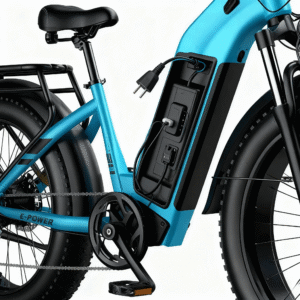
- Bosch Gen4 motor mount shift: A slight movement in the mounting plate or bolts can cause a click or creak under load. Re-check torque and mounting surfaces.
- Quick priority order: Tension/alignment first → Listen for ratio-specific issues → Clean hub/freewheel → Finally, inspect motor installation.
Recommended: How to Fix Handlebars That Are Too Close to the Front Wheel
How to Diagnose in 10 Minutes
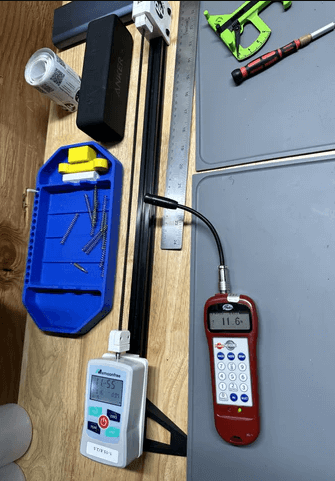
Figuring out the source of the clunk doesn’t have to take all day. With a short ride test and some basic checks, you can narrow it down fast. Grab your tools (like a tension meter or app) and let’s get started.
Ride Test Cues
Hop on your bike and pay attention to when the clunk happens. Does it only occur on the first pedal stroke or in a specific gear ratio? That’s a big clue for Enviolo issues. If it’s consistent across ratios but gets worse with more torque (like starting uphill), it might be belt skipping. Notice if applying harder pressure causes a “ratcheting” feel, like the belt jumps forward a tooth-that screams Gates belt problems.
Static Checks
Without even riding, you can spot a lot. First, check belt tension and alignment visually and with a sonic method or app (more on that below). Refer to your bike model’s specs or Gates’ tech manual for the right values. Also, spin the rear wheel backward and listen to the freehub or internal hub-does it sound laggy or muted? Sticky pawls often show up as delayed clicking when you freewheel.
Decision Tree
Think of this like a flowchart to guide you:
- If tension is low or alignment is off → Jump to the “Gates Calibration” section.
- If the clunk only happens at one constant ratio → Head to “Enviolo Diagnosis/Warranty.”
- If you get occasional free-pedaling followed by a “clunk” engagement → Try the “Pawl Cleaning and Lubing” fix.
- If it’s more noticeable under load or uphill, unrelated to ratios → Check the “Bosch Motor Installation.”
Visualize it as branches: Start at the top with the most common (belt), and rule things out step by step.
Recommended: Electric Bike Bearing Troubleshooting Tips
Cause 1: Gates Belt Skipping (Tension/Alignment)
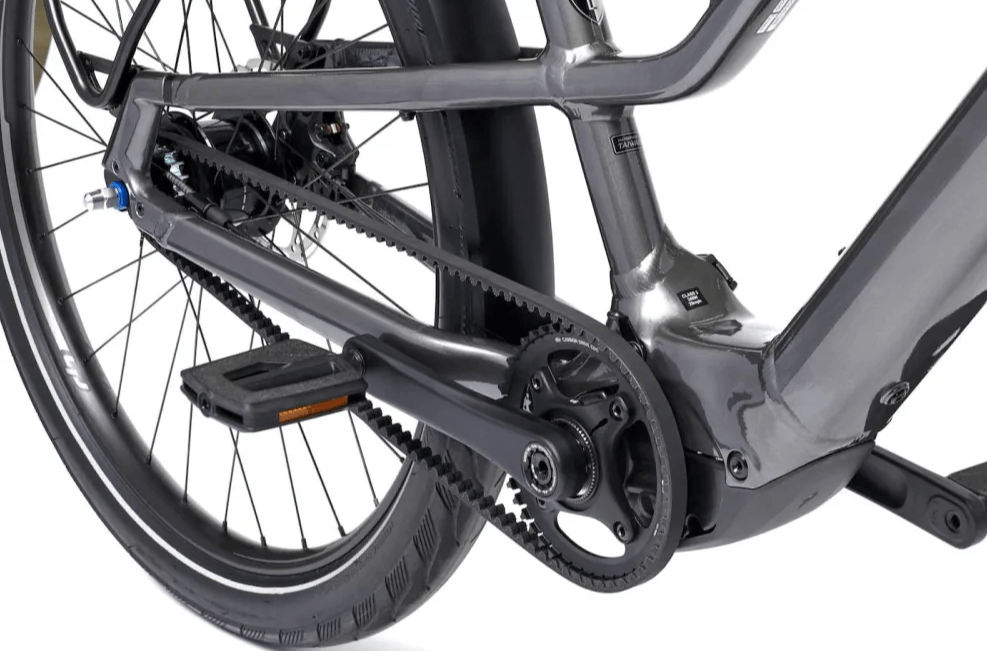
This is the number one suspect for that starting clunk on belt-drive bikes. If the belt isn’t tensioned right or aligned properly, it can skip teeth on the sprockets, making a ratcheting noise.
What Skipping Feels Like & Why It Happens
It usually feels like a slight slip or jump when you first push the pedals, especially if the tension is too low-the belt can’t grip the rear sprocket fully and “ratchets” over a tooth. Misalignment makes it worse, increasing noise and wear over time. Low tension is super common as belts stretch slightly with use.
Measure & Set Tension
Use the Gates Sonic Tension method (pluck the belt like a guitar string and measure the frequency with their app or a tension meter). Aim for the spec range based on your bike model and gear ratio-check Gates’ official tables or your bike’s manual. For example, many setups target around 35-45 Hz, but confirm yours. Adjust by loosening the rear axle and sliding the wheel back until it’s spot on.
Align the Beltline
Make sure the belt runs straight from the front sprocket to the rear. Check for spacers on the hub or crank that might be off, and refer to Enviolo’s compatibility notes for tooth counts and parts. A quick visual: The belt should track centered without rubbing the frame or flanges.
Re-Test: Silent Start Checklist
After adjustments, take a test ride and listen for the clunk. If it’s gone, great-note down your tension reading (Hz), temperature, and mileage for future reference. If not, double-check measurements before moving to other causes.
Cause 2: Enviolo “Knocking” in Specific Ratios
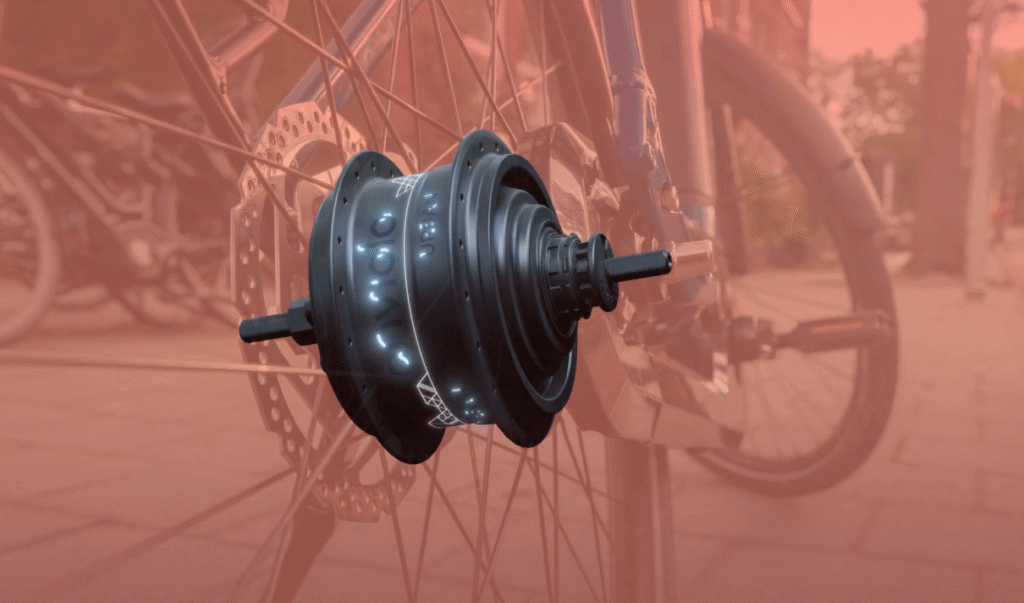
Enviolo hubs are awesome for seamless shifting, but they can develop a knocking issue tied to certain ratios, leading to that clunk.
Symptom Pattern
You’ll feel a rhythmic knock or thump through the pedals, but only at specific ratios-try holding a steady gear and see if it persists. The manufacturer recognizes this as a diagnosable problem, often internal.
What You Can (and Can’t) Service
These hubs are sealed units, so don’t try to crack them open yourself. If it’s within the 2-year warranty, follow the return process for a pro fix. DIY attempts could void coverage.
Pre-Warranty Checks
Before shipping it off, rule out compatibility issues: Ensure your belt, freewheel spacing, and tooth counts match Enviolo’s specs. A quick alignment check on the hub mount can help too.
Recommended: How to Upgrade Your E-Bike Brakes to Hydraulic: A Complete DIY Guide
Cause 3: Pawl Engagement Delay (Internal Gear Hub / Freehub)
Pawls are the little spring-loaded catches inside your hub that engage when you pedal forward. If they’re delayed, you get a clunk on startup.
Why Pawls Skip on the First Stroke
Over time, thick grease or dirt builds up, making the light springs sluggish. This causes a brief “free pedal” before they snap in with a clunk.
Service Principles
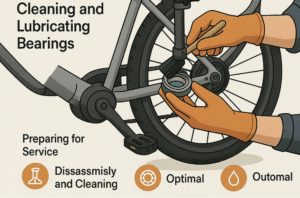
Clean everything with solvent or isopropyl alcohol, then apply thin oil or light hub-specific grease. Reset the springs if needed, but steer clear of heavy general-purpose grease-it’ll just make it worse.
Model Notes
For Sturmey-Archer or similar hubs, their docs emphasize lubing around the pawls but not on them directly-use oil over thick grease during assembly.
Cause 4: Bosch Gen4 Mount/Bracket Creak or Click
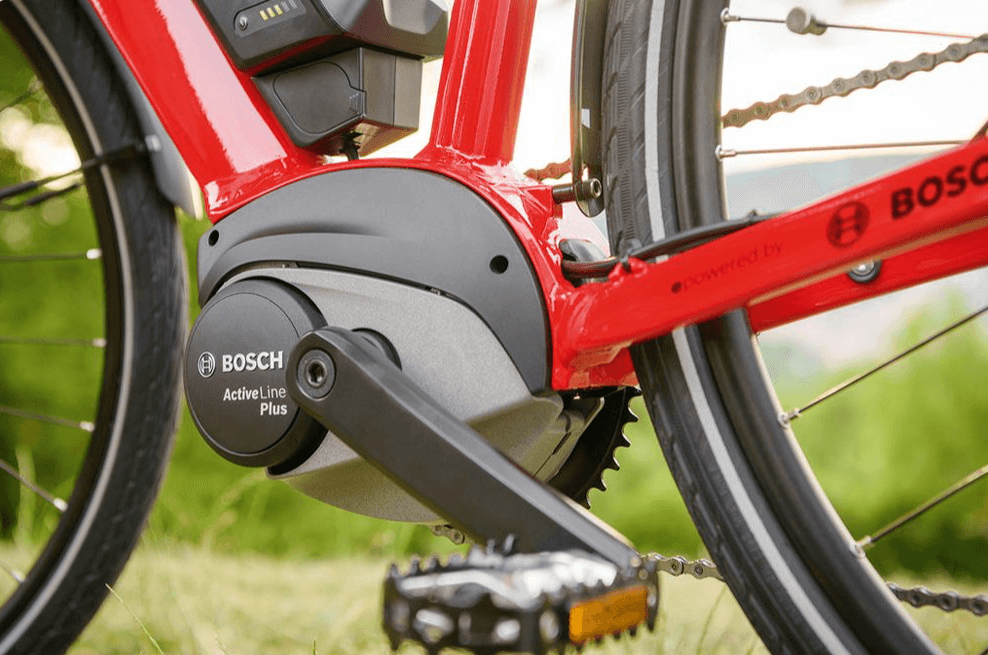
The Bosch Gen4 is reliable, but loose mounts can cause noises under load.
What It Sounds Like
It’s often a sharp click or creak right when you apply force, from tiny shifts between the mounting plate, frame, or motor.
Fix Overview
Remove any covers, inspect the mounting surfaces for wear, then re-torque bolts to spec (use a torque wrench). Add a bit of thread locker if recommended, reassemble, and test ride.
Tools & Specs (Short List)
- Gates Sonic Tension Meter (or app for phone-based checks)
- Hex keys and torque wrench (for mounts and adjustments)
- Light lubricant or thin oil for pawls
- Solvent/cleaner for hub servicing
- Always refer to official specs: Gates manual for tension Hz, Bosch torque values (e.g., 20-25 Nm for mounts), Enviolo compatibility charts.
FAQ
How do I tell if it’s belt skipping or a pawl issue? Skipping feels like a ratcheting slip with more torque; pawls give a delayed “clunk” after free-pedaling. Check tension first-if low, fix that; otherwise, clean the hub.
Does Enviolo really need to be sent back for repair? Yeah, per their guidelines, especially under warranty. It’s sealed, so pro service ensures it stays reliable without voiding coverage.
What if the clunk happens only uphill? That’s often motor mount related-re-torque everything. If not, double-check belt tension under load.
Can I prevent this clunk from coming back? Regular maintenance: Check tension every 500 miles, clean hubs seasonally, and inspect mounts after rough rides.
Is this fixable at home, or do I need a shop? Most are DIY-friendly with basic tools, but if it’s warranty stuff like Enviolo, let the pros handle it.