
Ever wondered which e-bike actually lives up to the hype? We test, compare, and talk about them like real riders do — no sales talk, just honest insights and personal experiences you can trust.

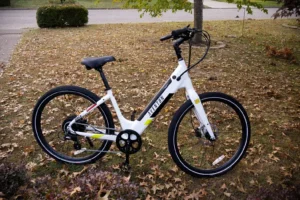
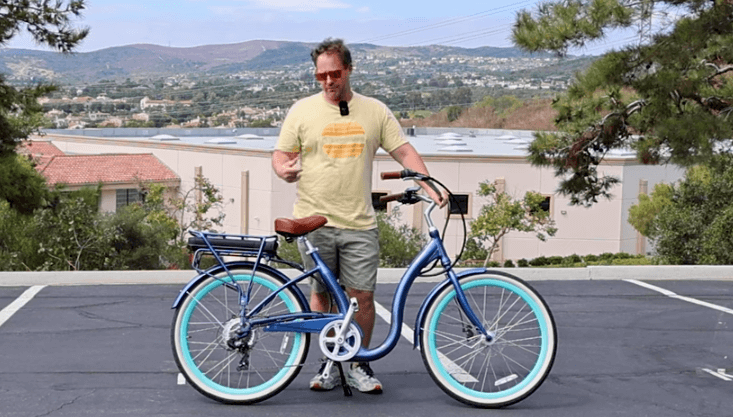
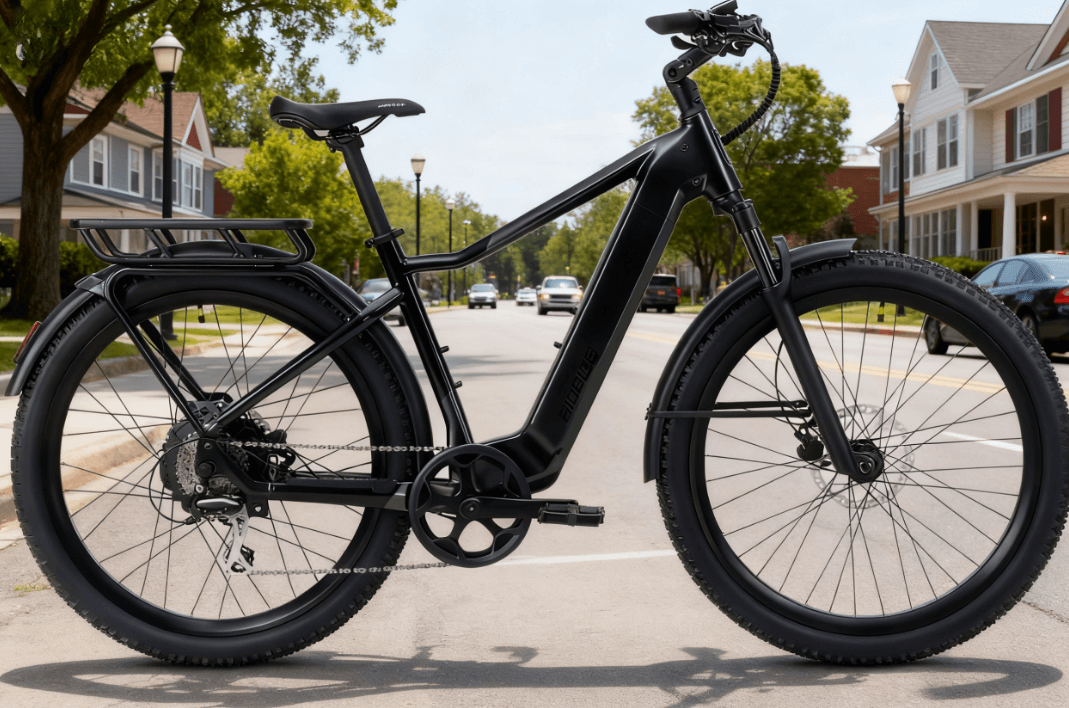
A reliable commuter e-bike built for smooth, everyday city travel — practical, quiet, and efficient.
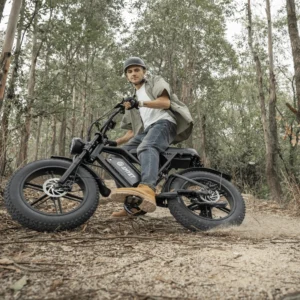
Tested on real trails — a rugged e-MTB built to climb, descend, and explore beyond the pavement.
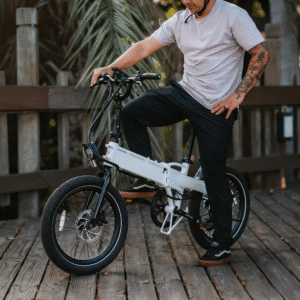
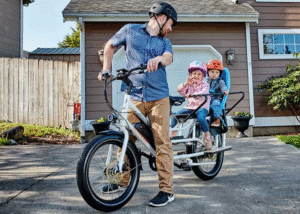
Portable, lightweight, and fun — a folding e-bike that fits small spaces but rides big.
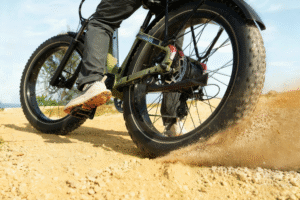
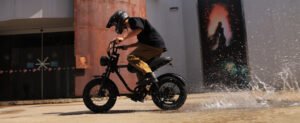
Big tires, big adventure — this fat-tire e-bike rolls confidently over sand, dirt, and snow.
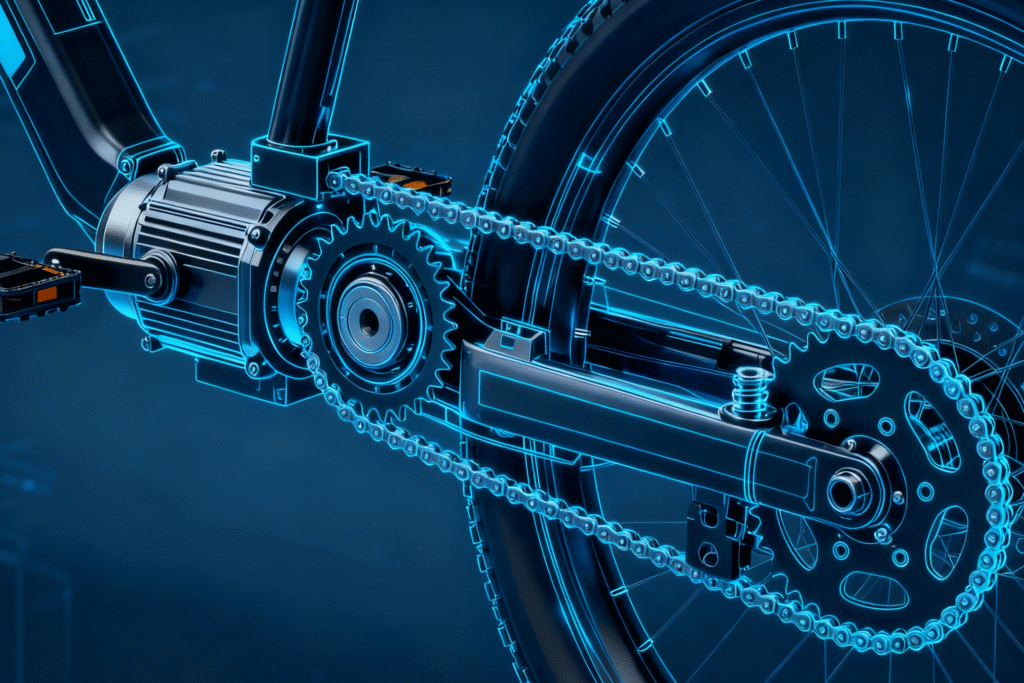
Yes, many riders have powered M510/M560 with 14S (58.8 V full), but “it runs” is not the same as long-term reliable. If you try it, treat 58.8 V as the…
Summary This guide shows you exactly how to choose and fit a new chainring for a TSDZ8 mid-drive without guesswork. You’ll learn how to measure chainline, select the right interface…
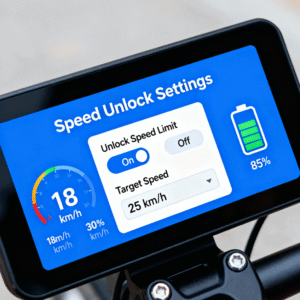
Executive Summary Many folding e-bikes ship with a blunt control scheme: the throttle is locked to walk-assist only (~6 km/h) and the PAS (pedal assist) has a single, jumpy level…
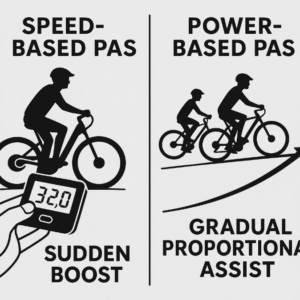
When PAS Feels Like a Launch Control You start pedaling, expecting a smooth roll-off, and instead your e-bike lunges forward like it’s in launch mode. Many first-time conversion builders-or anyone…
Ever seen that quick zap when you connect a pack and wondered if you just shaved years off your controller’s life? This guide connects the dots from phenomenon → physics…
A hub motor is built into the wheel and delivers power directly to it — great for low-maintenance commuting.
A mid-drive motor, placed near the pedals, uses the bike’s gears for better climbing and balance. It’s ideal for riders who want more control and performance on varied terrain.
It depends on your battery size, riding style, and terrain.
Most e-bikes cover between 25 to 70 miles (40–110 km) per charge.
If you use more pedal assist instead of throttle, you’ll get the best range out of your battery.
Yes — if you’re comfortable with basic tools.
Our guides walk you through motor repairs, controller troubleshooting, brake adjustments, and battery replacements step-by-step.
For major electrical issues, though, it’s best to let a certified e-bike technician handle it.
Most modern e-bikes are water-resistant, not fully waterproof.
It’s fine to ride in light rain, but avoid deep puddles or high-pressure washing.
After a wet ride, wipe down your connectors and battery ports to prevent corrosion.
If you’re new to e-bikes, start with a commuter or hybrid model — they’re comfortable, easy to control, and offer balanced power.
As you gain experience, you can explore mountain e-bikes or cargo bikes depending on your riding goals.
Get weekly guides, reviews, and updates directly to your inbox.